Reliable Semi Truck Repair with Quality Workmanship
Rapid Semi Truck Maintenance: Get Back on the Road Speedily
Maintaining operational efficiency depends on efficient semi truck repair. Downtime may cause substantial financial losses, affecting delivery timelines and customer satisfaction. Unexpectedly, common problems like engine failures and transmission malfunctions can occur. Adopting standardized procedures and investing in skilled workforce development helps reduce these issues. Yet, grasping the nuances of choosing the proper repair service and using technology effectively can be key to keeping fleets moving.
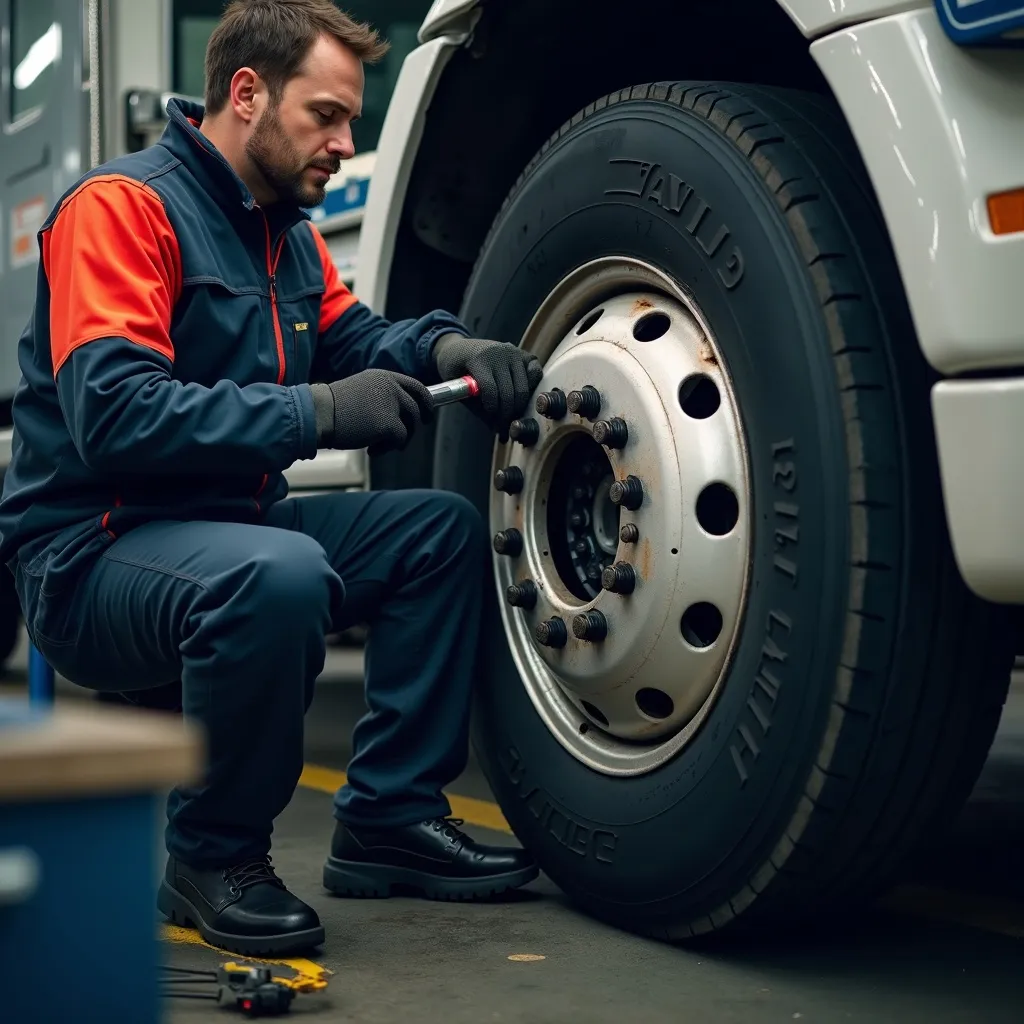
Standard Challenges That Cause Service Interruptions
Downtime affecting semi trucks commonly comes from several common issues that can hinder operations. One prevalent factor is engine breakdown, which can result from insufficient upkeep or oil concerns. Gearbox issues also commonly happen, resulting in shifts that are jerky or slow, and in extreme situations, complete breakdowns. Additionally, tire deterioration and breakdown can originate from incorrect pressure or misalignment, creating safety risks and operational delays. Electrical system malfunctions, including battery malfunction or defective wiring, can strand drivers immobilized. Brake component problems, such as worn pads or leaks, are critical to fix promptly due to their effect on safety and compliance. Furthermore, fuel system issues, like blocked filters or injector malfunctions, can impede performance. Each of these issues can significantly affect a trucking operation's efficiency, resulting in lost time and increased costs if not resolved swiftly and successfully.
Why Timely Repairs Are Key for Your Bottom Line
Timely repairs are crucial for preserving a trucking operation's profitability. When a semi truck is out of service, income diminishes with each hour it remains inactive. Quick repairs reduce downtime, enabling drivers to return to their routes and meet delivery schedules. This efficiency not only preserves the confidence of clients but also enhances the company's standing in a competitive market.
Furthermore, rapid repairs can prevent more costly, significant issues from materializing. Addressing small issues swiftly helps sustain the overall condition of the fleet, reducing extended repair expenses. Fleet operators who prioritize rapid repairs often observe that their running costs diminish, producing enhanced profit margins.
Ultimately, expedient repairs are far more than a convenience; they represent a strategic necessity. By maintaining vehicles that are safe and functional without preventable interruptions, trucking companies can sustain their bottom line and remain competitive in an industry where time is money.
Top Strategies to Streamline Your Truck Maintenance Workflow
Streamlining the truck repair process requires a strategic approach that emphasizes structure and efficiency. One sound strategy is to establish a comprehensive parts tracking system. By sustaining an accurate inventory of parts and tools, repair shops can lower wait times for required parts. Another key approach is formalizing repair procedures. Creating clear protocols for standard repairs can boost workflow and lower the risk of errors.
Furthermore, providing education for technicians ensures they have expertise with the latest repair techniques and technologies, generating quicker turnaround times. Using diagnostic equipment can also speed up the troubleshooting process by locating issues more accurately. Finally, clear dialogue between drivers and repair teams is essential; real-time updates about vehicle status can help prioritize repairs based on urgency. By combining these approaches, truck repair processes can become more optimized, ultimately producing reduced downtime and increased operational efficiency.
Ways to Locate the Most Reliable Repair Service for Your Trucks
What strategies can transportation leaders use to ensure they select the most trustworthy maintenance option for their trucks? To begin, they should examine the vendor's reputation by seeking testimonials and feedback from other fleet operators. A strong track record in quick maintenance and customer satisfaction is critical. Then, examine the qualifications of the technicians. Certified mechanics with specific training in semi truck repairs deliver high-quality service.
Furthermore, evaluate the range of services offered. A comprehensive repair shop can handle various issues, from routine maintenance to advanced fixes, minimizing downtime. It's also crucial to inquire about guarantees covering parts and labor, which can indicate the establishment's dedication to excellence.
Ultimately, assess the placement and accessibility of the service. A neighboring shop that provides 24/7 service can markedly lower wait times and keep trucks on the road. By implementing these guidelines, fleet managers can make educated decisions that strengthen operational efficiency.
Preventative Maintenance Tips to Reduce Breakdowns
Proactive upkeep is essential for reducing breakdowns in semi trucks and ensuring fleet reliability. Regular inspections should be scheduled to examine vital components such as brakes, tires, and fluid levels. Monitoring tire pressure and tread wear can useful guide avoid tire failures and improve fuel efficiency.
Furthermore, regular oil changes and filter replacements are essential for engine performance. Maintaining a clean air filter promotes optimal airflow, improving fuel economy.
Drivers should also be trained to pre-trip inspections, spotting any abnormalities that might lead to problems on the road. Maintaining manufacturer-recommended service schedules helps identify possible issues before they get worse.
Finally, documenting all maintenance activities creates a reliable history that aids in forecasting future needs and identifying patterns. By putting these preventive strategies into place, fleet operators can significantly decrease the likelihood of unforeseen failures, guaranteeing that trucks stay functional and efficient.
Utilize Modern Systems to Increase Repair Productivity
Leveraging innovative tools can substantially enhance the effectiveness of semi truck repairs. State-of-the-art testing equipment facilitate mechanics to swiftly identify issues, reducing the time spent on problem-solving. Software programs can streamline parts inventory, confirming that necessary parts are readily available, thereby minimizing delays.
Telematics systems supply instant metrics on vehicle performance, making possible preventative care and timely repairs. By reviewing this analytics, fleet managers can prioritize repairs based on criticality and business implications.
Moreover, mobile repair units equipped with technology allow on-site services, reducing downtime stemming from transporting trucks to repair shops. VR technology and augmented reality can also facilitate training mechanics, developing their skills without risking costly errors.
Frequently Requested Questions
How Frequently Should I Organize Upkeep for My Semi Truck?
A semi truck needs upkeep every 10,000 to 15,000 miles, or every six months, whichever comes first. Frequent evaluations of key mechanisms ensure top-tier performance and safety for long-distance operations.
What Equipment Is Required for Basic Truck Maintenance?
Important tools for automotive work that are basic feature a socket set, wrenches, pliers, screwdrivers, tire pressure gauge, hammer, and a jack. In addition, securing a multimeter and basic diagnostic tools can substantially benefit in troubleshooting issues.
Where can I find a mobile repair center?
To find a mobile repair service, one can access online directories, review customer reviews, and gather suggestions from fellow truck drivers. Additionally, local trucking associations may share reliable service contacts in the area.
What Assurances Are Typically Offered on Truck Maintenance?
Typically, warranties on truck repairs range from 30 days to one year, covering parts and labor. Some services may provide prolonged coverage, guaranteeing long-term dependability and customer satisfaction, depending on the specific repair and service provider.
What Procedures Should I Follow to Address Repair Expenses With My Policy?
To manage repair costs with an insurance policy, one should review the coverage plan for specific coverage details, inform the insurance company quickly about the claim submission, and keep detailed records of expenses and communications for a smoother claims submission.